Egg Storage, Freshness & Food Safety
Keep it Fresh: How to Store Eggs
Always Keep Eggs in their Carton
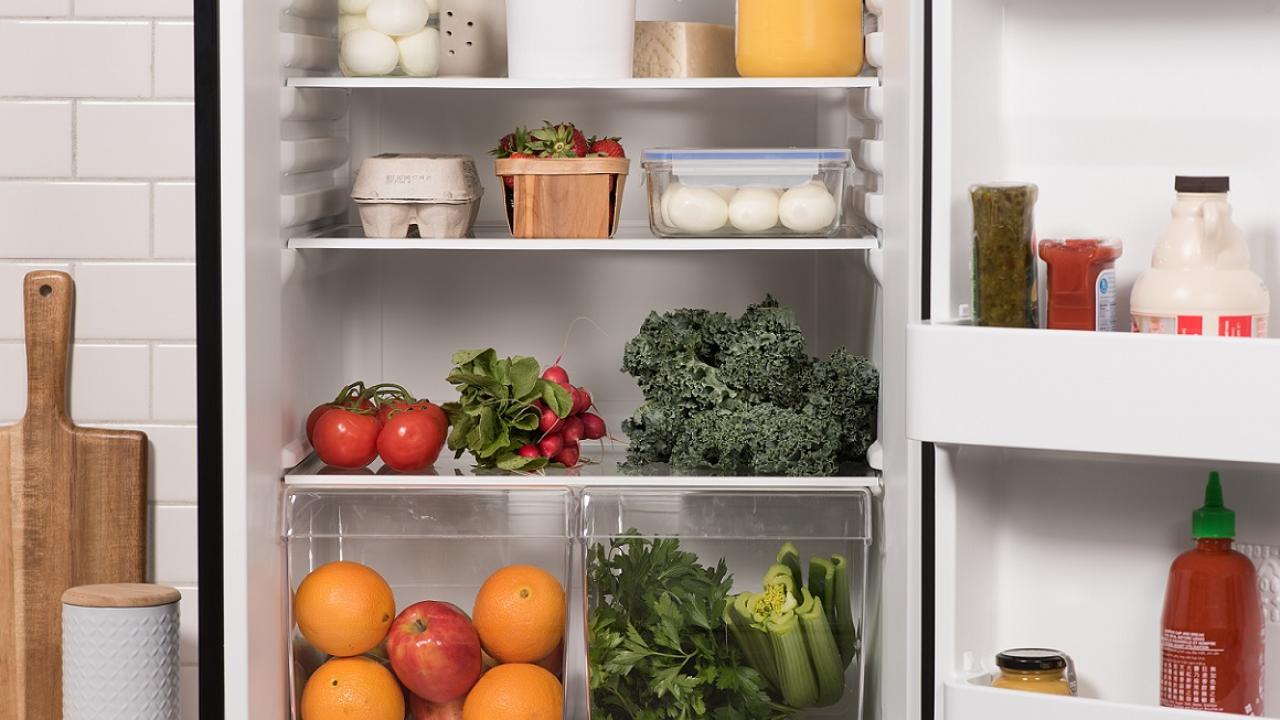
We know a lot of people like to throw away the egg carton when they get home and store their eggs in the little egg caddy that comes with your fridge or in a separate bowl. This may look pretty, but we recommend always storing your eggs in their original carton. Why? Firstly, the carton protects the eggs and prevents them from absorbing strong odours and flavours of other foods in your fridge through the thousands of tiny pores in the egg shell. Secondly, the Best Before Date is always visible to you so you can guarantee freshness. Lastly, eggs should always be stored with the large end up, the same way they are packaged in the carton. This helps the yolk remain centered.
Other tips for storing raw and cooked eggs:
- Eggs should not be stored on the refrigerator door, but in the main body of the refrigerator to ensure that they keep a consistent and cool temperature.
- Leftover raw egg whites and yolks should be put in airtight containers and stored in the refrigerator immediately. To prevent yolks from drying out, cover them with a little cold water. Drain the water before using.
- When storing hard boiled eggs, you may notice a "gassy" odour in your refrigerator. The odour is caused by hydrogen sulphide, which forms when eggs are cooked. It's harmless and usually dissipates in a few hours.
Recommended Storage Times for Eggs
| Fresh shell eggs | By best before date |
|---|---|
| Leftover yolks or whites | Within 2 to 4 days |
| Hard Boiled eggs | Within 1 week |
| Prepared egg dishes | Within 3 to 4 days |
| Pickled eggs | Within 1 month |
| Frozen whole eggs (blended) | Within 4 months |
How to Freeze Eggs
Did you know that you can freeze eggs? Certain kinds of raw and prepared eggs (not in their shells) can easily be frozen following these simple instructions:
- Whole eggs: Beat eggs just until blended, pour into freezer containers and seal tightly. Label the container with the number of eggs and the date, and freeze.
- Whites: Break and separate the eggs one at a time, making sure that no yolk is mixed in with the whites. Pour them into freezer containers, seal tightly, label with the number of egg whites and the date, and freeze. For faster thawing and easier measuring, first freeze each white in an ice cube tray and then transfer to a freezer container.
- Yolks: Egg yolks require special treatment. The gelation property of yolk causes it to thicken or gel when frozen. If frozen as-is, egg yolks eventually become so gelatinous they are almost impossible to use in a recipe. To help slow this process, beat in either ⅛ tsp (0.5 mL) salt or 1½ tsp (7mL) sugar or corn syrup per ¼ cup (50 mL) egg yolks (4 yolks). Label the container with the number of yolks, the date, and whether you've added salt (for main dishes) or sweetener (for baking or desserts)
- Hard boiled: Hard boiled yolks can be frozen to use later for toppings or garnishes. Carefully place the yolks in a single layer in a saucepan and add enough water to come at least 1 inch above the yolks. Cover and quickly bring just to boil. Remove from heat and let stand, covered, in the hot water for about 15 minutes. Remove with a slotted spoon, drain well and package for freezing. Hard boiled whole eggs and whites become tough and watery when frozen, so don't freeze them.
Cooking with Frozen Eggs
To use frozen eggs for cooking or baking simply thaw them overnight in the refrigerator or under running cold water. Use the eggs as soon as they're thawed and only in dishes that will be thoroughly cooked. The following is a list of the recommended substitutions for raw egg.
- Substitute 2 tbsp (30 mL) thawed egg white for 1 large fresh white.
- Substitute 1 tbsp (15 mL) thawed egg yolk for 1 large fresh yolk.
- Substitute 3 tbsp (45 mL) thawed whole egg for 1 large fresh egg
Cooking Food Safely
When preparing perishable foods, including eggs, follow these four simple steps to make sure food is prepared safely:
- Clean - Wash hands and surfaces often. Proper hand washing may eliminate nearly half of all cases of food-borne illness.
- Chill - Refrigerate/freeze food promptly. Cold temperatures can prevent the growth of most types of harmful bacteria.
- Separate - Don’t cross-contaminate. Keep raw meat/poultry/seafood and their juices separate from one another and other food during storage and preparation.
- Cook - Cook meat, poultry and eggs to proper temperatures.
Here are a few more simple guidelines to follow when preparing and serving eggs:
- Serve eggs and food prepared using eggs immediately after cooking, or refrigerate and use within three to four days.
- For entertaining, serve all egg dishes within two hours. Cold egg dishes and beverages should be kept on ice.
- If a recipe calls for eggs at room temperature, immerse them in warm water for a few minutes.
- To prevent toughness, always use moderate heat and controlled cooking times for eggs.
- Don't eat cracked eggs or eggs that have been out of the refrigerator for more than two hours.
- Use a glass or metal bowl instead of a plastic bowl when making meringue. The greasy film on a plastic bowl can prevent foaming.
- The egg yolk and white separate best when they are cold.
- Egg whites will beat to a better volume if they're allowed to stand at room temperature for 20 to 30 minutes before beating.
- Unless otherwise specified, most recipes are written based on the use of large eggs. One large egg = ¼ cup or 4 tablespoons or 50 mL.
How to tell if eggs are fresh
The easiest way to tell if your eggs are fresh is by the Best Before Date on your egg carton, so it’s best to always keep your eggs stored in their original carton. Here are a few more simple ways to determine the freshness of your eggs:
- Grade A eggs have a firm white, a small air cell at the wide end and a centered yolk.
- A fresh egg will sink in water while an older egg will float. As an egg ages, the size of the air cell inside increases, causing it to float.
- In a fresh egg, the yolk sits up high, and the white is thick and closely surrounds the yolk. An older egg has a flat yolk that breaks easily and a thin, watery white.
- To differentiate between hard boiled eggs and raw eggs, simply spin it. A hard boiled egg will spin longer than a raw egg. The liquid centre in a raw egg prevents it from building up enough momentum to keep turning.
- A cloudy egg white is a sign of freshness, not age: the cloudiness is the result of the high carbon dioxide content when the egg is laid.